
How can you enjoy your backpacking or hiking trip while minimizing your environmental impact?
If you are an outdoor enthusiast, backpacking and hiking are probably some of your favorite activities. However, those activities often come with waste that can negatively impact the environment. Here are some top tips for zero waste backpacking and hiking.
Explore Locally
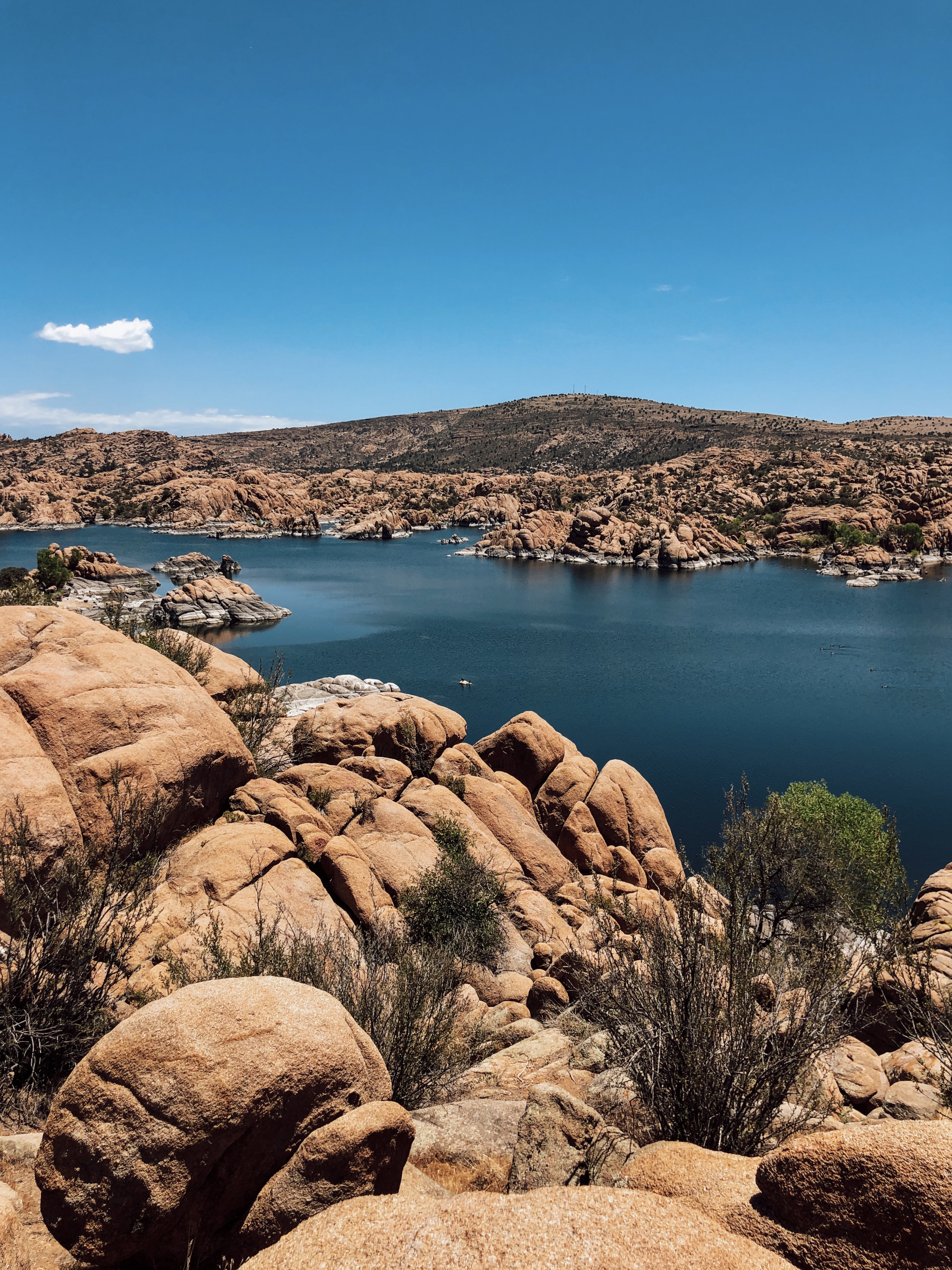
It’s alluring to think of exotic and far away destinations, but we often forget how amazing our own backyard can be. In most places in the world you’ll be near a national park, a natural reserve, a forest, a desert, a mountain, or a recreational area. Platforms as All Trails, Outdoor Active and Hiking Project use interactive maps to find hikes close to you. Looking for local places to explore also means less traveling footprint, since you’ll reduce your CO2 emissions on transportation.
Bring a Reusable Water Bottle
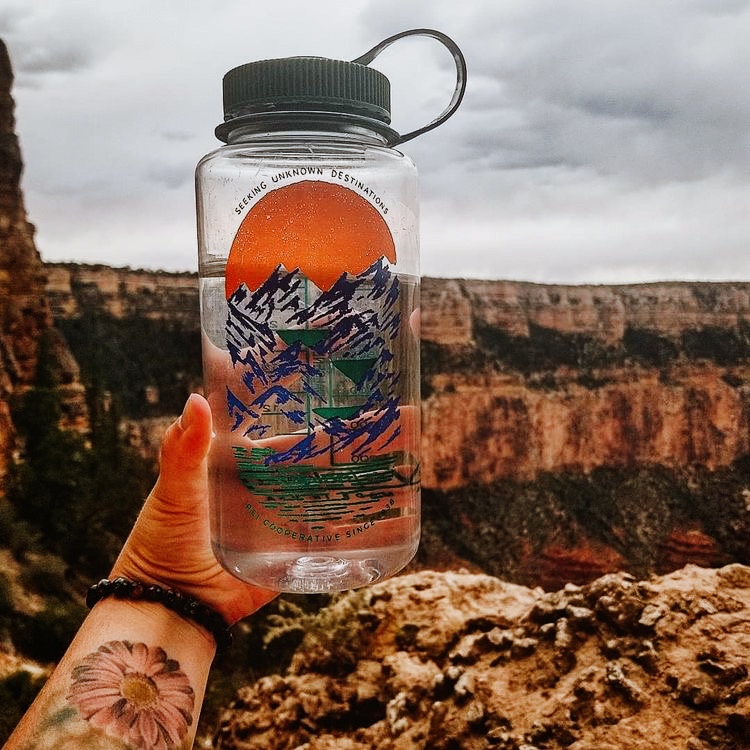
Bring a reusable water bottle: Plastic water bottles are one of the biggest culprits of waste in the outdoors. By bringing a reusable water bottle, you can reduce the amount of plastic you use and save money.
Use Reusable Utensils and Food Containers
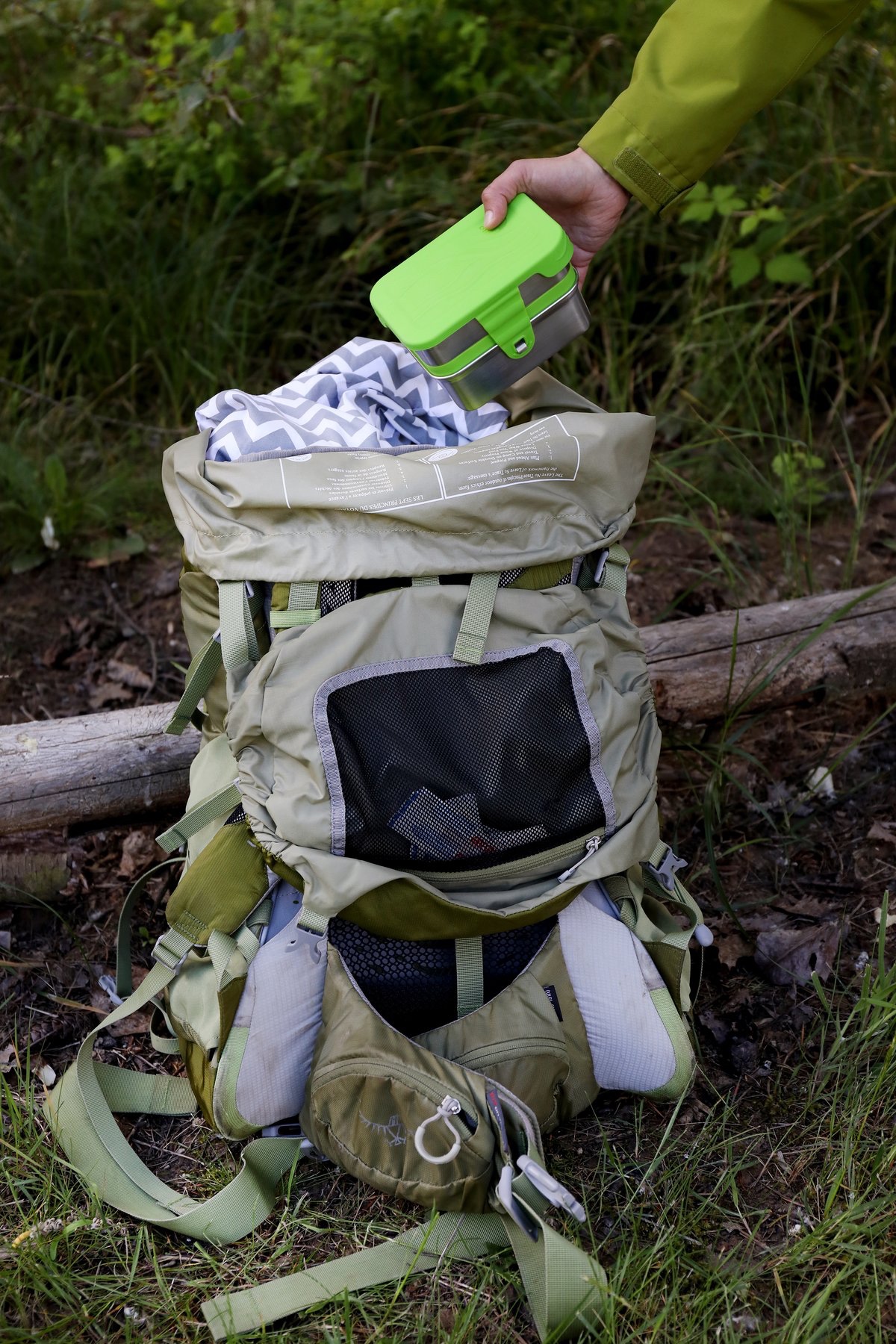
Pack reusable utensils and a stainless steel container: Instead of packing disposable plastic utensils and containers, bring your own reusable ones. You can even find utensil sets that are compact and easy to pack. Pack your reusable spork, fork, knife, spoon, chopsticks, or whatever your favorite utensil/s may be. Often, you can find multitool-style combo utensils for camping that provide a whole place setting in one handy package, but you can also just bring along an old set of lightweight stainless steel or wooden utensils snagged from a thrift store or yard sale. Stainless steel containers is another nice investment because it allows you to bring along delicate food ma such as avocado and not worrying about it breaking like glass.
Bring a Water Purify System
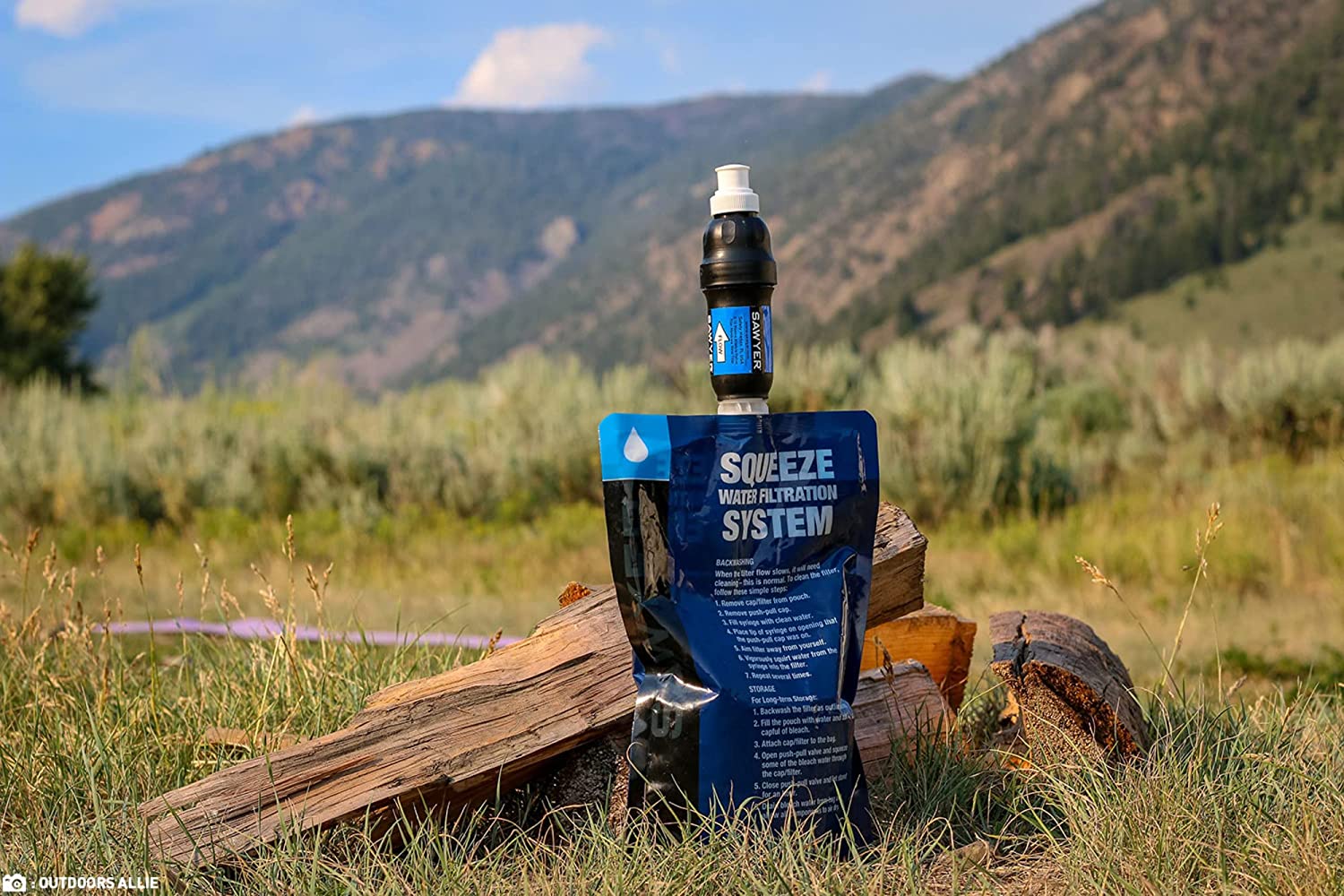
For those overnight trees, use a refillable hydration system: Rather than using single-use hydration bladders or bottles, consider using a refillable hydration system. They are durable, lightweight, and can be filled with freshwater from streams or rivers.
Don’t Litter and Pick Rubbish Up
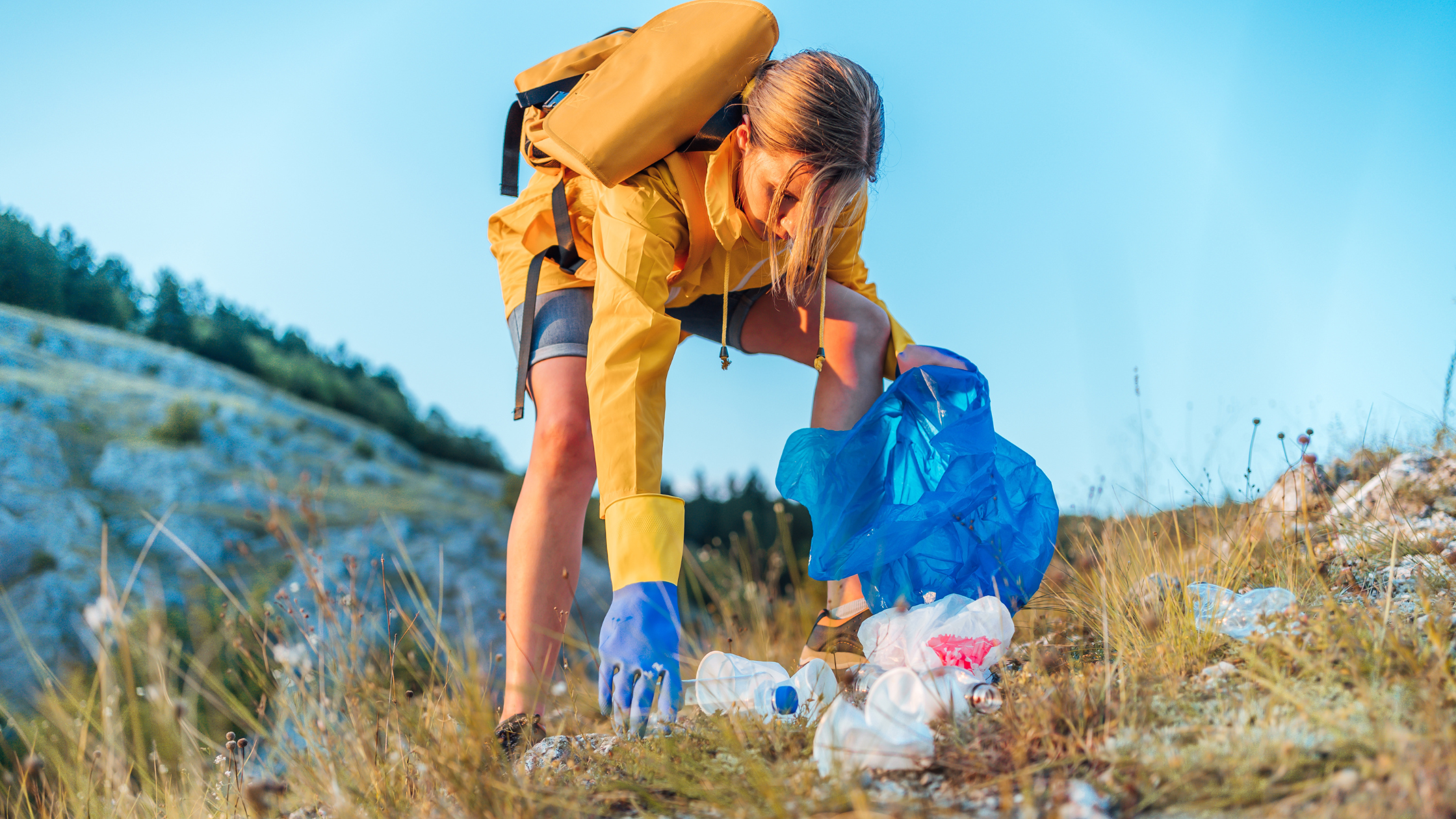
This should be obvious but judging by the amounts of trash seen on hiking trails all over the world, it’s important to mention it. In fact, in the United States national parks alone, over 45 million kilos (100 million pounds) of waste are generated every year.
The best you can do is to keep your trash with you and split it up for recycling when you return home. Whatever you bring with you, you take back with you. Even biodegradable waste like fruit peels, seeds and cores should be kept, because if you dispose of them along the trail, they can affect the natural balance of the ecosystem.
You’ll get extra eco-friendly points if you also pick some trash up while hiking. Take a bag with you and on the way back pick up as much as you can.
Bring a biodegradable garbage bags or wet bags. To minimize waste, pack a compostable garbage bag to collect any food scraps. Not only is this environmentally friendly, but it can also help reduce the smell of food scraps in your pack. Wet bags are a game changer. With waterproof lining and coming in a variety of sizes, you can throw anything in these from dirty diapers to food scraps. Highly recommended for any type of outdoor activity.
Bring Eco Friendly Backpacking Food

Pack dehydrated food: Dehydrated food reduces waste because it has less packaging than regular food. Additionally, it saves space in your pack and is easier to carry. Another great way to bring along good is by using bee wax’s wraps. They are eco-friendly alternatives to plastic wraps, made from cotton, beeswax, and natural oils. Beeswax food wraps are perfect for zero waste hiking because they reduce the amount of trash you generate and are lightweight and easy to carry. They can wrap foods that usually come in plastic wraps, such as fruits, sandwiches, and snacks, and they fit easily in your backpack. Moreover, they are reusable, and with proper care, they can last for months, reducing waste further.
Choose Eco-Friendly Gear
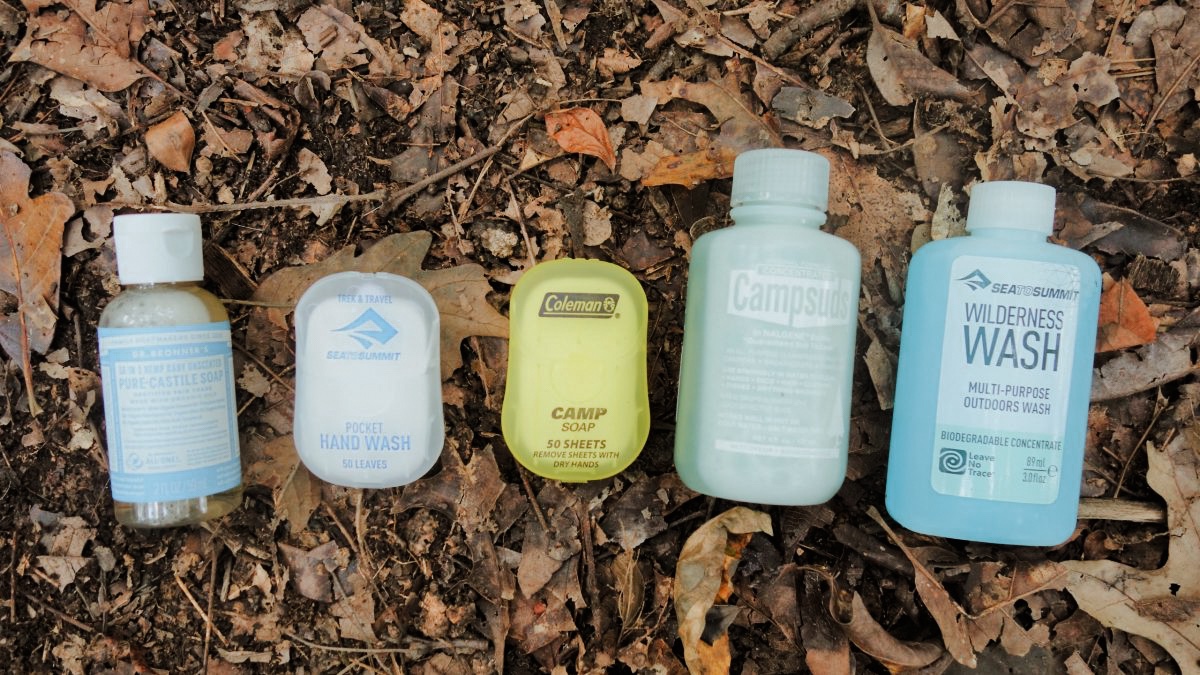
Try to choose hiking and backpacking gear that is environmentally friendly. This could be anything from environmentally friendly sunscreen to biodegradable soap.
If you’re planning on jumping on a lake, river, waterfall or any water source, then you should choose a paraben, octinoxate and oxybenzone free sunscreen. That means no chemicals that can hurt the environment.
Same goes for bug spray. Mosquitoes and other bugs can be relentless, so we need to keep them away, but without harming them. After all, we’re entering their territory! Choose a bug repellent made of natural ingredients and no chemicals.
Stick to the Trails

The whole point behind sticking to the trails is to lessen the disruption of the ecosystem. Consider that opening a hiking trail already damaged the place you’re exploring, so it’s important to be eco-friendly and no harm it further. I know it’s tempting sometimes to wander off, but you can endanger the wildlife, the environment and yourself. Simply stay in them, no exceptions!
Leave No Trace
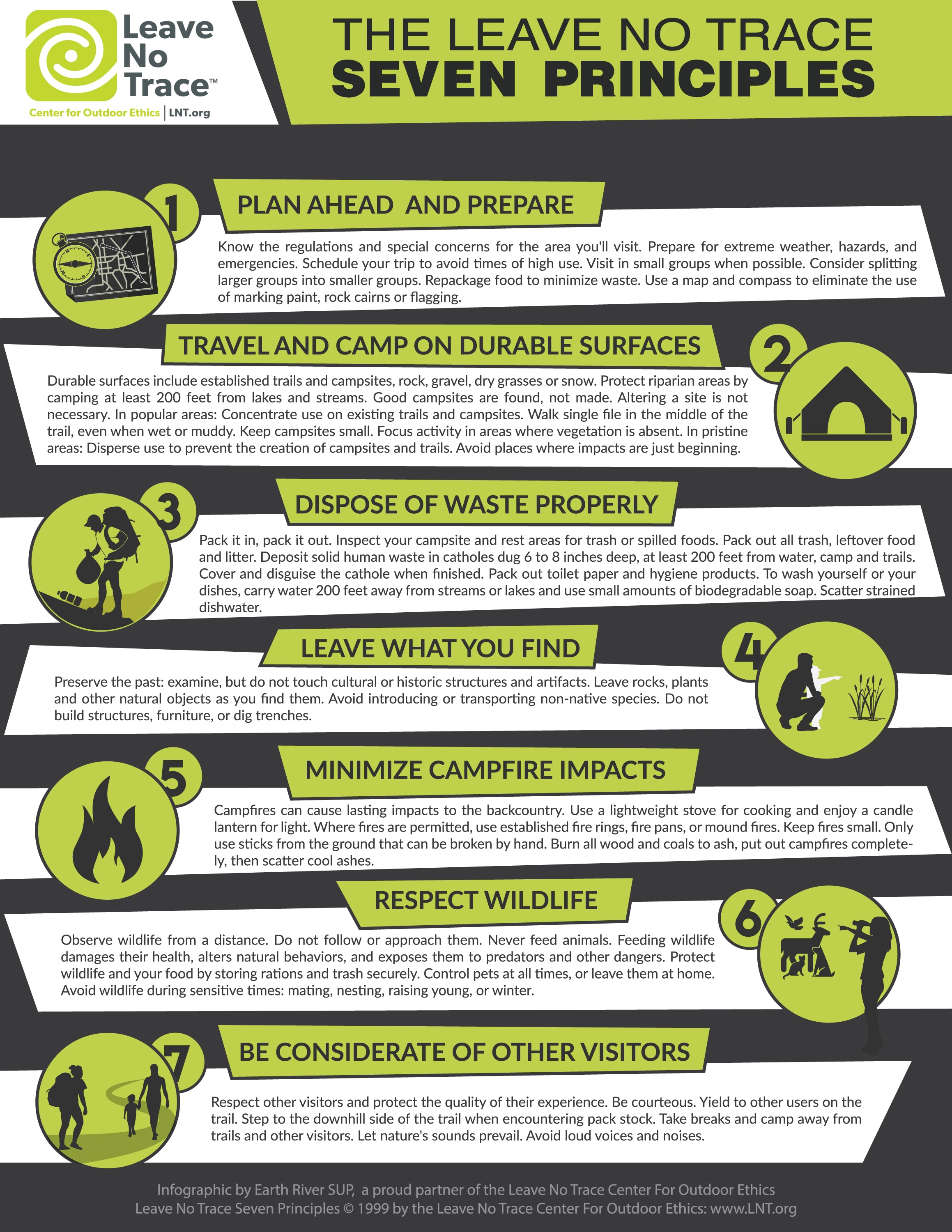
Always practice leave no trace ethics when hiking and backpacking. This means carrying out all of your trash, avoiding shortcutting trails, and not disturbing wildlife.
- Plan ahead and prepare
- Travel and camp on durable surfaces
- Dispose of waste properly
- Leave what you find
- Minimize campfire impacts
- Respect wildlife
- Be considerate of other visitors
By following these tips, you can help minimize your environmental impact while still enjoying all of the amazing outdoor experiences that backpacking and hiking have to offer. Remember, the natural world is beautiful and fragile, so it is crucial to take care of it while enjoying it.
This post contains affiliate links, which means that if you click on and/or make a purchase using some of the links in this post, I may earn a commission at no extra cost to you. Read my full disclosure policy here.
 prescottcityguide.com